
Historic Sites
Learn more about the County’s 9 owned historic sites below.
Bergen County also has several other Revolutionary War sites and cultural and historic sites to explore.
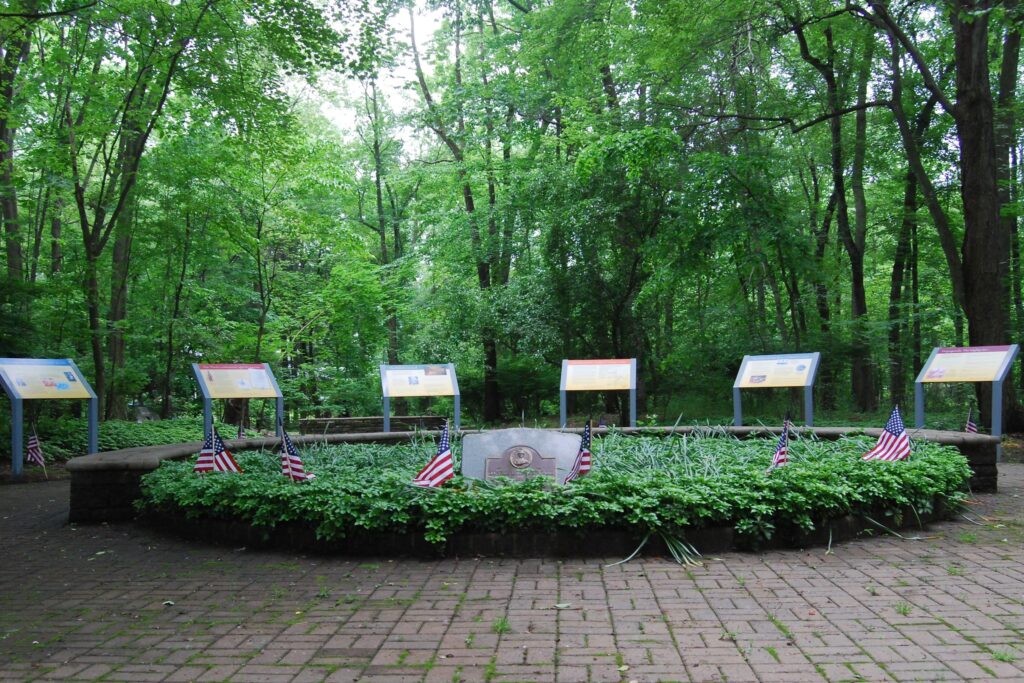
Baylor Massacre Burial Site
Rivervale Road & Red Oak Drive, River Vale, NJ 07675
On September 28, 1778, the British attacked soldiers from the Virginia 3rd Continental Light Dragoon regiment led by Colonel George Baylor, killing 11 soldiers and capturing several others. A loyalist betrayed the soldiers who were sleeping at several homes in what is now River Vale. After the attack, six men were buried in tanning vats along the banks of the Hackensack River. In 1967, these burial sites were rediscovered and, later, Bergen County purchased the site as a historic memorial park.
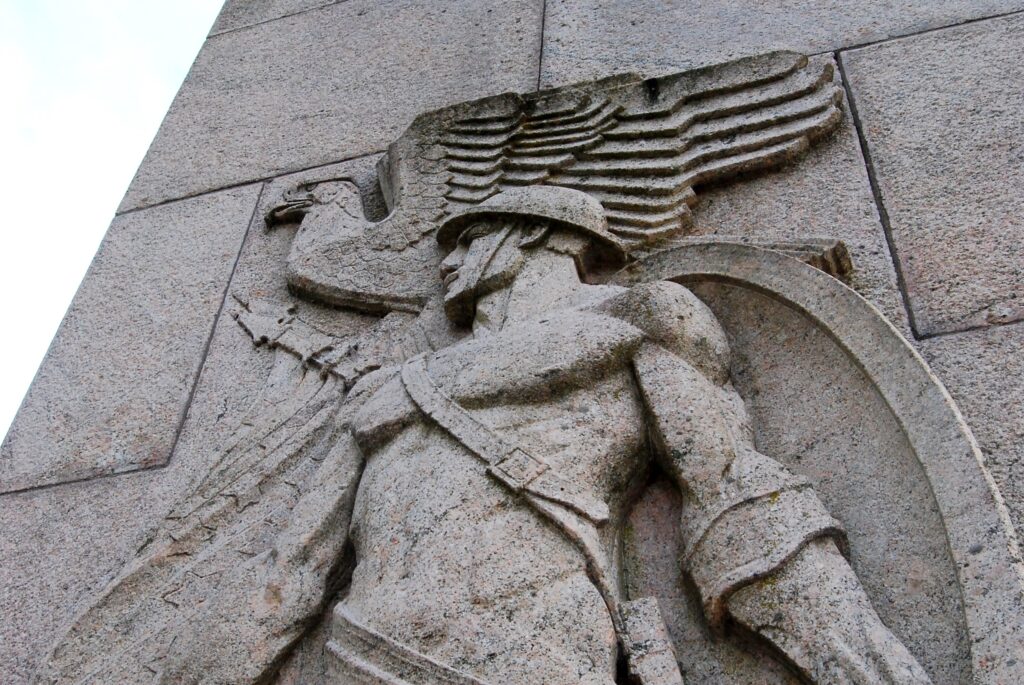
Camp Merritt Memorial Monument
Knickerbocker Road & Madison Ave, Cresskill, NJ 07626
From 1917-1919, Camp Merritt, the 770-acre World War I embarkation camp covered what is today Cresskill, Demarest, Dumont, Haworth, and Tenafly. The camp had 1,300 buildings, including a hospital, barracks, and recreational and administrative facilities. Some 578,566 soldiers passed through the camp. In 1919, Bergen County purchased land in the center of the site for use as a memorial to the 535 people who died at the camp during the Spanish Flu epidemic. The memorial was dedicated on Memorial Day, 1924.
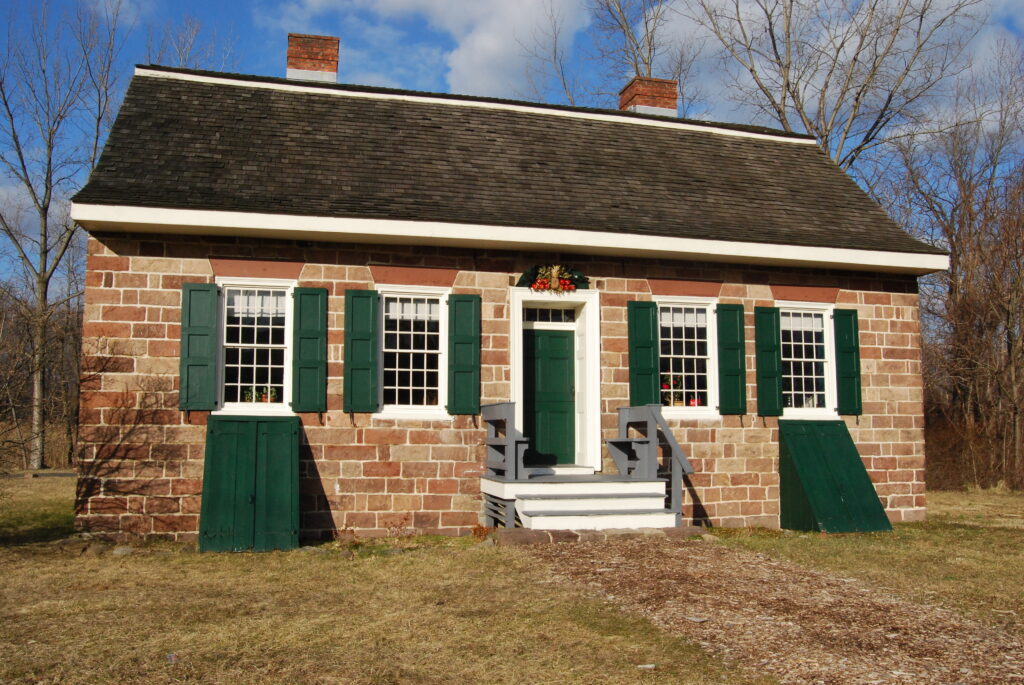
Campbell-Christie House
1201 Main Street, River Edge, NJ 07661
The Campbell-Christie House was built in 1774 by Jacob Campbell. Campbell operated a tavern in his home until he sold it to John D. Christie in 1795. Christie operated the tavern until his death in 1836.
In 1977, Bergen County purchased the house and moved it from its original New Milford location to the Historic New Bridge Landing State Park. The Bergen County Historical Society operates the museum.

Easton Tower
Red Mill Rd., Rt. 4 & Saddle River Rd., Paramus, NJ 07652
Built in 1899, Easton Tower pumped water for several fountains in the landscaped gardens of the Edward Easton Estate. Edward Easton was the founder of the Columbia Phonograph Company, which manufactured and developed wax cylinders for phonographs. The County purchased the site in 1956.
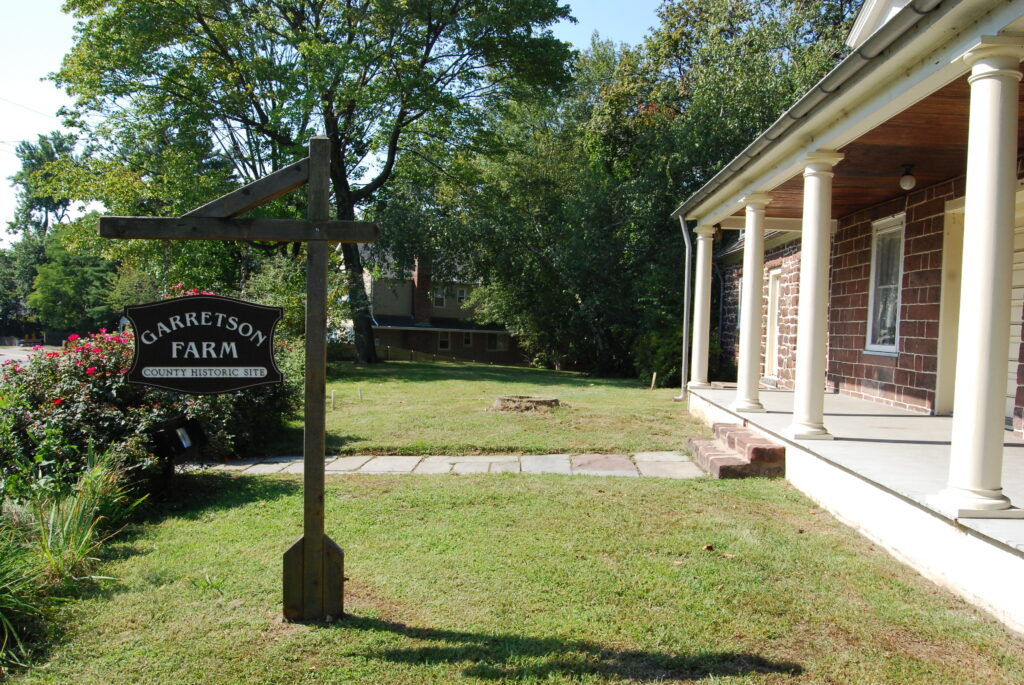
Garretson Forge & Farm
4-02 River Road, Fair Lawn, NJ 07410
Built circa 1720, the Garretson Farm is one of the oldest Dutch stone houses in Bergen County. Beginning with Peter Garretson, the Garretson family owned the house until 1974. The house was enlarged in 1800. In 1902, the house was renovated including enlarging the second floor and modernizing the interior. The house was deeded to Bergen County in 1977 by Garretson Forge and Farm Restoration, who operates the museum.
www.garretsonfarm.org
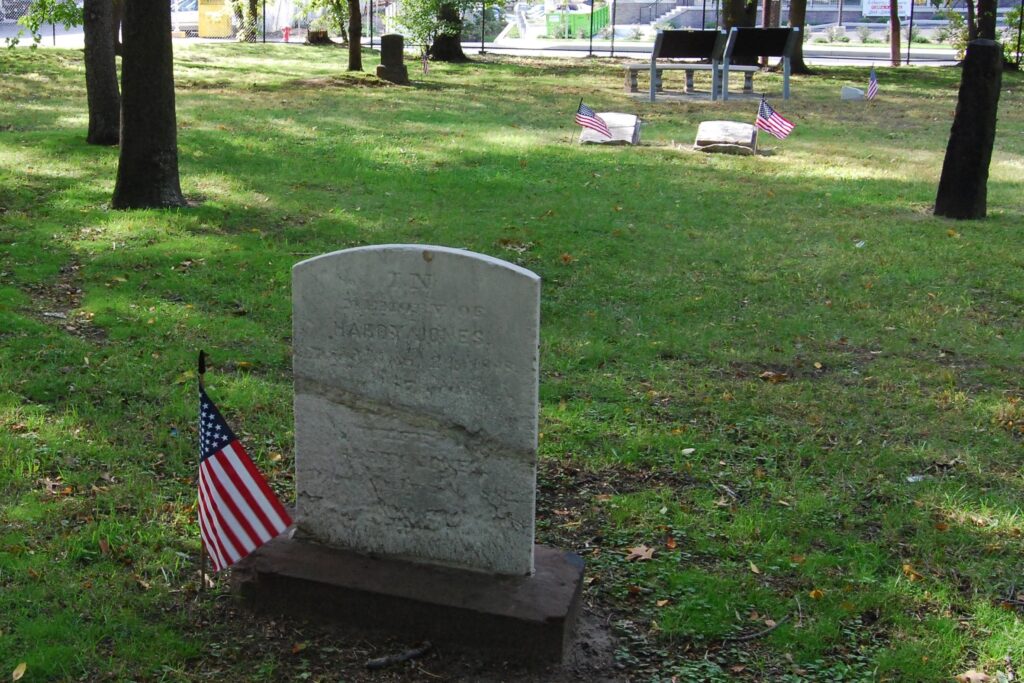
Gethsemane Cemetery
Summit Place and Liberty Street, Little Ferry, NJ 07643
Gethsemane Cemetery opened in 1860 for African American area residents. The site has over 515 burials though less than 50 remain visible. The most famous person buried there is Elizabeth Dulfer, who established a successful clay and brickmaking business along the Hackensack River prior to the Civil War. The 1884 burial of Samuel Bass led to the Negro Burial Act that prohibited segregated cemeteries. Bergen County purchased and restored the 1-acre site in 1985.
To access the site, please call the Division of Cultural Affairs office at 201-336-7267.
View interactive StoryMap on Gethsemane Cemetery.
View guide to Gethsemane’s grave markers
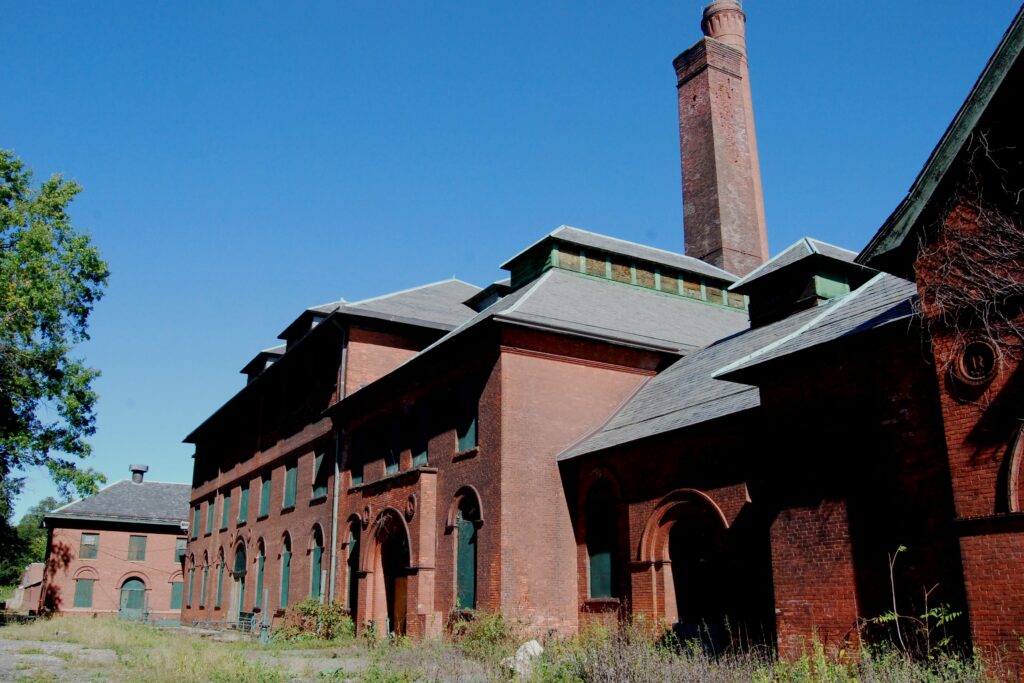
New Milford Plant of Hackensack Water Works
Van Buskirk Island County Park, Elm Street, Oradell, NJ
Founded in the 1870s, Hackensack Water Works supplied water to residents in Northern New Jersey until the 1990s. The plant at Van Buskirk Island was built in 1881-1911 to serve as a water treatment and pumping facility for the company. In the 1920s, George Spaulding, a chemist at the plant, developed an innovative carbon filtration system that is still in use today. Steam pumps powered the plant until the 1990s. The property was donated by Bergen County in 1993. The site is not currently available to the public.
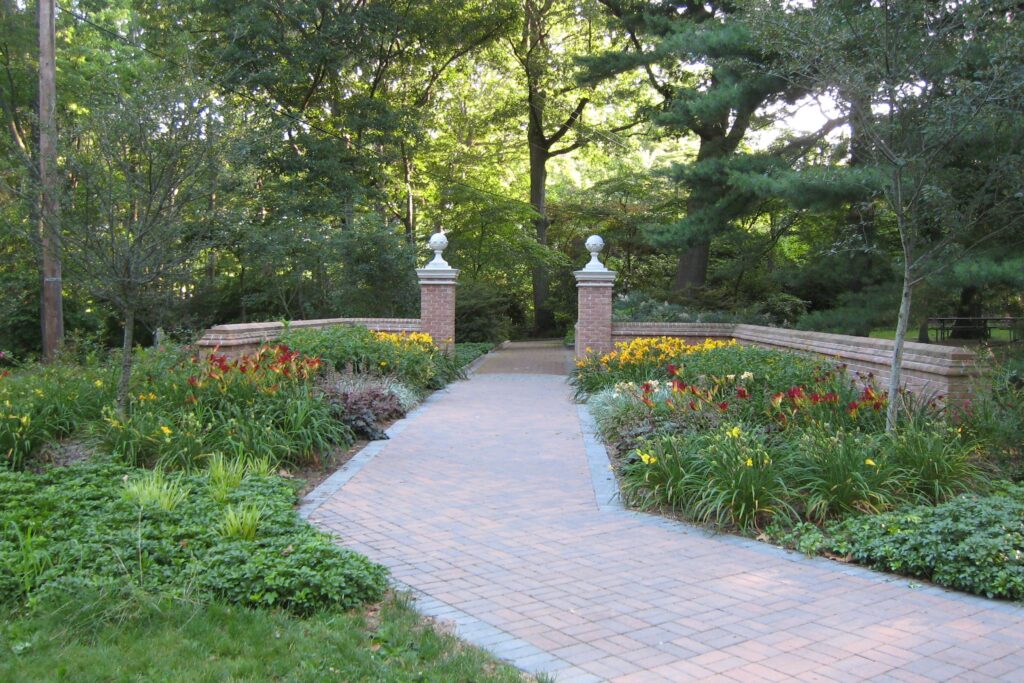
Washington Spring
Van Saun County Park, 216 Forest Avenue, Paramus, NJ
Howland Avenue once divided the farms of Cornelius Van Saun and Christian Dederer. In September 1780, about 14,000 Continental soldiers encamped on Kinderkamack Ridge. Local miller Hendrick Banta sold them cider. His 10-year-old son Cornelius glimpsed General George Washington three times on his horse near the site later called Washington Spring.
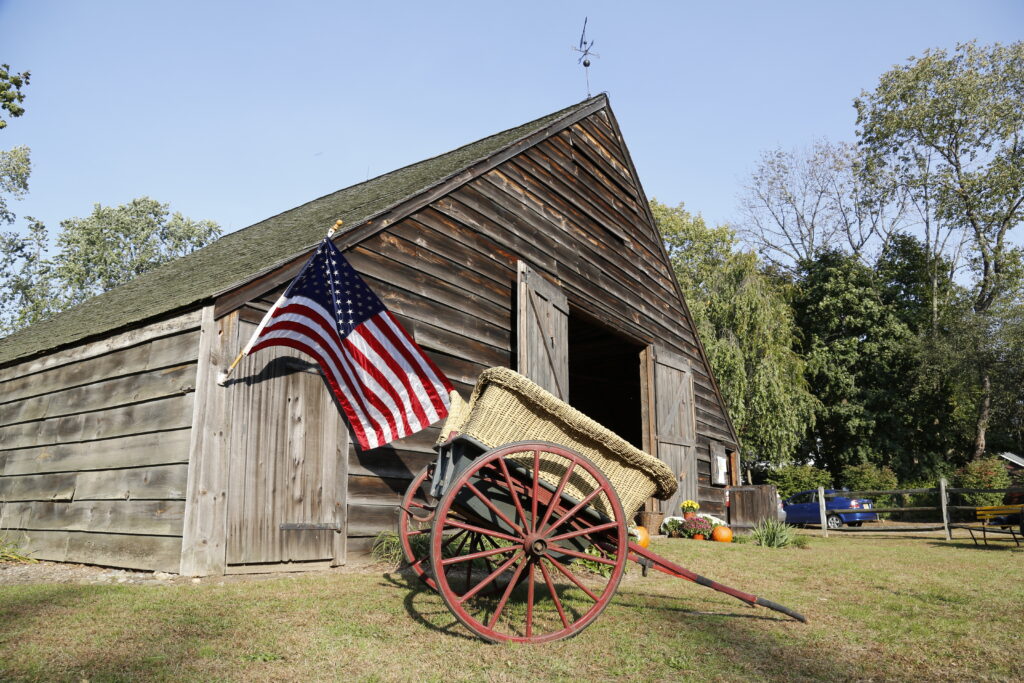
Wortendyke Barn
13 Pascack Road, Park Ridge, NJ 07656
Built circa 1770, the Wortendyke Barn is a rare example of the New World Dutch Barn that was prevalent in Bergen County amongst the Dutch in the colonial period. The Wortendyke family owned their farm from 1735-1851. New World Dutch barns were known for their H frame construction with steep slopping roofs that maximize storage of crops and hay, side bays for housing animals, and raised floors. The county restored the barn in the 1970s.